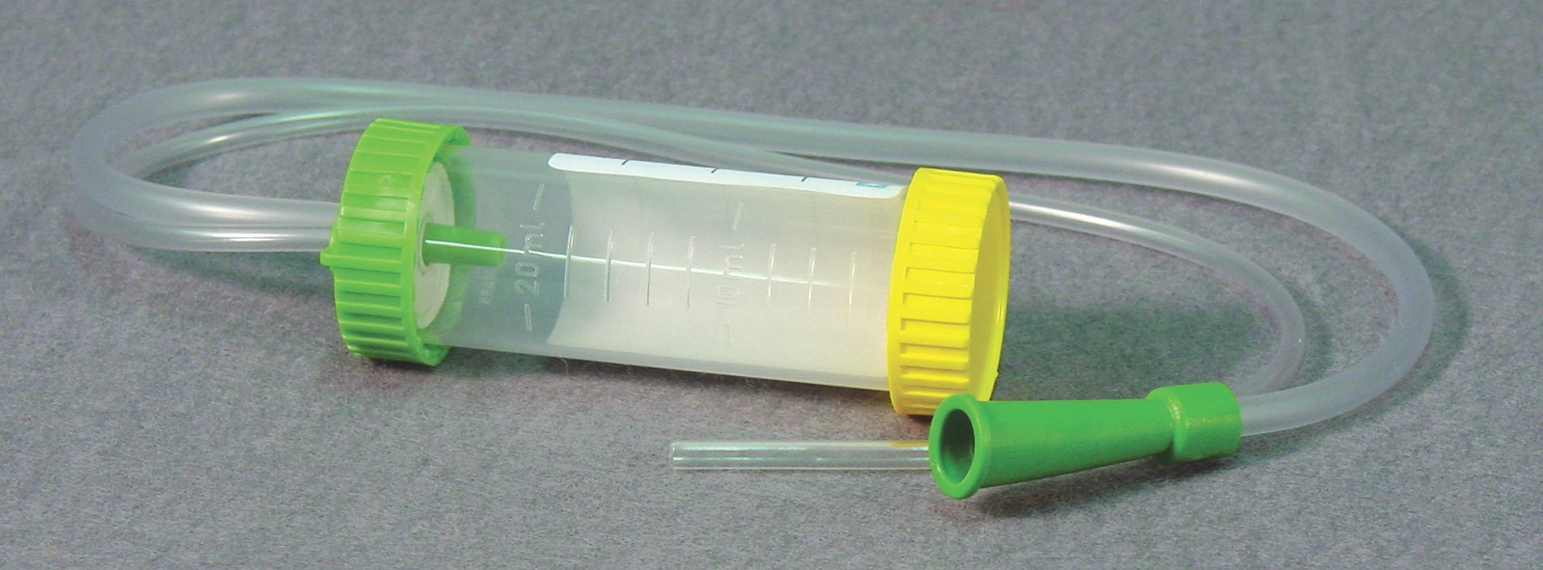
Product Overview:
The Mucus Extractor is a sterile, single-use device designed for the collection of respiratory secretions, mucus and other biological specimens from the respiratory tract for diagnostic examination. It is manufactured from non-toxic, medical-grade phthalate-free PVC, polycarbonate and HDPE, and consists of a transparent 20 ml collection chamber (reservoir) with a double-entry cap, a cap with no entry and a cap on the connector, a conical connector and two connection hoses. A hydrophobic, HIV-tested filter tolerates a 105 mmHg vacuum and prevents mucus transmission to the user during the procedure. The aspiration catheter is inserted through the nostril, oral cavity or tracheal aspiration opening, and the outlet hose is connected to a vacuum device so that the specimen is collected directly into the container. The process time is typically under one hour.
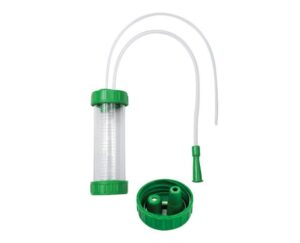
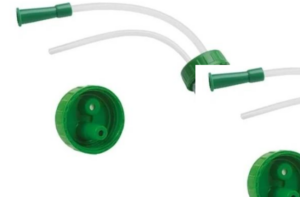
Mucus Extractor — 20 ml collection chamber with conical connector, aspiration catheter and connection hoses
Key Features
- Manufactured from medical-grade phthalate-free PVC, polycarbonate and HDPE.
- One transparent 20 ml collection chamber (reservoir) with double-entry, no-entry and connector caps.
- Hydrophobic, HIV-tested filter tolerates a 105 mmHg vacuum and prevents mucus transmission to the user.
- Supplied with a 370 mm aspiration catheter (3.3 mm outer diameter) and two connection hoses.
- Conical connector and hoses in medical-grade PVC with a leak-free, secure joint.
- Aspiration probe inserted through the nostril, oral cavity or tracheal aspiration opening.
- Connects to a vacuum device to collect the specimen directly into the container.
- Sterile (EO), pyrogen-free, latex-free and DEHP-free.
- Single use and disposable — discard after use.
Intended Use
The Mucus Extractor is intended for the collection of mucus, respiratory secretions and other specimens from the respiratory tract for diagnostic or laboratory examination. It is used by professional users to take mucus samples for the diagnosis and treatment of respiratory tract diseases. The aspiration probe is inserted into the body through natural openings such as the nostril or oral cavity, or through the tracheal aspiration opening via the larynx, and the outlet hose on the collection container is connected to a vacuum device to draw the specimen into the container. The device may be used to collect respiratory specimens from the oral cavity, pharyngeal region or airway, as clinically appropriate, by a qualified healthcare professional, and is intended for all age groups.