
The Allure of Random Rewards
One of the primary reasons slot machines are so addictive lies in their unpredictable reward systems. Players are often captivated by the concept of hitting a jackpot, which can happen entirely by chance. This random reward mechanism creates a thrill, as individuals anticipate winning with every spin. Many players explore various options, including the popular $10 neosurf casino australia , to enhance their gaming experience. The unpredictability keeps players engaged, as they are conditioned to believe that a significant win could be just around the corner, reinforcing their desire to play. This dynamic of hope and anticipation is a powerful psychological driver that keeps players returning to the machines.
This phenomenon is rooted in psychology and is often compared to a variable ratio reinforcement schedule. Similar to other forms of gambling, this schedule rewards players not on a fixed interval but rather in an unpredictable manner. This uncertainty enhances the excitement, as players repeatedly return to the machines in hopes of experiencing that thrilling moment when coins cascade from the machine, creating a euphoric atmosphere. The more uncertain the outcome, the more enticing it becomes, fueling a cycle of play that can be hard to break.
Moreover, the combination of flashy lights and sound effects amplifies this experience. Each time a player wins, even a small amount, the celebratory sounds and visual stimulation reinforce the behavior, making it difficult to resist the temptation of returning for another spin. This sensory overload creates an immersive environment that can heighten the addictive nature of slot machines. The psychological impact of these elements is significant, as they create a feedback loop that encourages sustained play and deepens the player’s connection to the gaming experience.
The Social Environment of Gambling
The social aspects surrounding slot machines also contribute significantly to their addictive nature. Many casinos are designed to foster a communal experience, where players often find themselves surrounded by others who are equally invested in their games. This shared environment can create a sense of camaraderie, where players celebrate wins together, amplifying feelings of excitement and belonging. This social interaction not only enhances the enjoyment of the game but also creates a supportive atmosphere that can lead to prolonged play.
Additionally, the informal nature of playing slots allows individuals to engage without the pressure often associated with other casino games. Unlike poker or blackjack, where strategy and competition are key, slot machines offer a more relaxed social interaction. This casual atmosphere can entice players to spend more time at the machines, as they chat with friends or fellow players while enjoying their game, further increasing the likelihood of prolonged play. The social dynamics at play create a comforting environment that makes it easy for individuals to lose track of time and money.
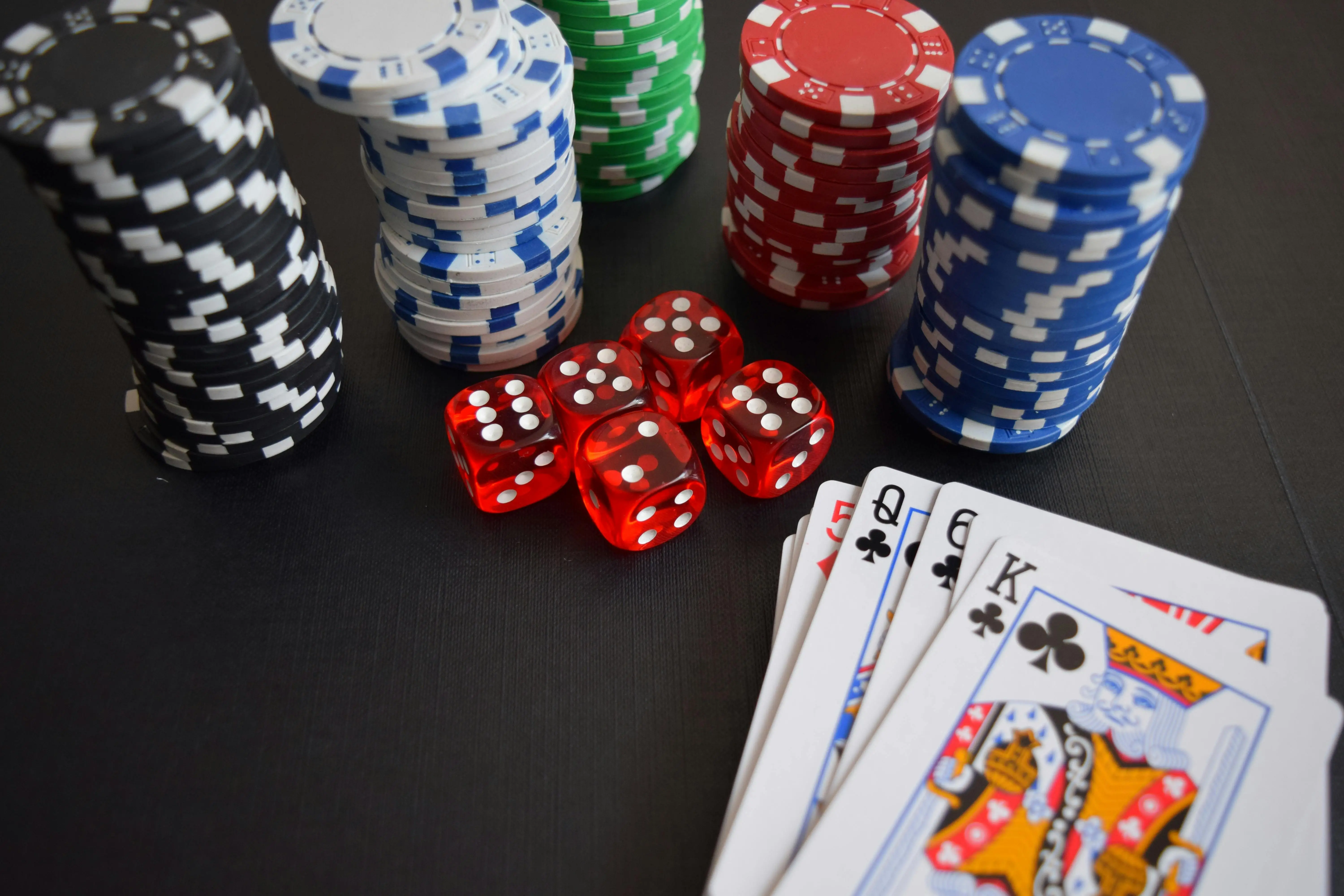
Furthermore, social gambling events have grown in popularity, with many casinos hosting tournaments and gatherings specifically for slot machine enthusiasts. These events create a vibrant social scene that not only enhances the enjoyment of playing but also reinforces the community aspect of gambling. Because of this, players often find it challenging to step away from the machines, as they become entwined with both the game and the social environment it fosters. The combination of entertainment and social interaction makes slot machines particularly alluring, contributing to their addictive nature.
The Psychological Aspect of Gambling
The psychological factors that contribute to the addiction of slot machines are intricate and multifaceted. One notable aspect is the concept of escapism. For many players, engaging with slot machines serves as an escape from daily stressors and a way to indulge in a fantasy of wealth and success. This ability to momentarily detach from reality can lead players to seek out the machines consistently, hoping to recreate that escape. The allure of a better life through a single spin can be incredibly compelling, drawing individuals back time and time again.
Moreover, the dopamine release experienced during gameplay plays a critical role in fostering addiction. Winning a spin releases dopamine, the brain’s pleasure chemical, which reinforces the behavior and encourages players to continue gambling. This biochemical reward system can create a cycle of seeking out more wins, as players unconsciously chase that feeling of excitement. Over time, this can lead to compulsive behavior as players seek to replicate past successes. The rush of winning becomes a sought-after experience, blurring the lines between entertainment and addiction.
Another psychological hook is the concept of near misses. Slot machines are designed to occasionally display outcomes that are just one symbol away from a win. This visual cue can mislead players into believing they were close to winning, making them more likely to continue playing in hopes of achieving a win. This creates a false sense of skill and can drive players to invest more time and money into their pursuit, deepening their addiction to the machines. The psychological impact of these near misses can be profound, as they manipulate the player’s perception of success and failure.
The Role of Technology in Slot Machines
As technology has advanced, so too have the designs and features of slot machines, making them even more addictive. Modern machines are equipped with intricate graphics and immersive sound effects that create a more engaging experience. These enhancements distract players from the potential risks of gambling, drawing them deeper into the experience. The dazzling visuals and enticing sounds keep players captivated, making it easy for them to lose track of time while playing. The technological advancements in slot machines have revolutionized the gaming experience, catering to a generation that values high-quality entertainment.
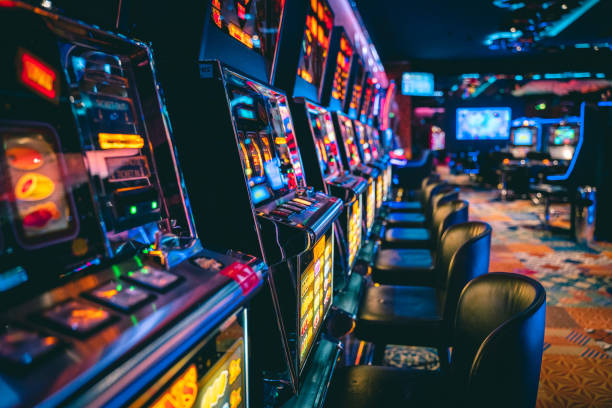
Additionally, the introduction of mobile slot games and online platforms has contributed to the accessibility of these machines. Players can now enjoy their favorite slots from anywhere at any time, leading to an increase in play frequency. This convenience, combined with enticing promotions and bonuses in the online space, encourages players to engage more often, further heightening the allure of slot machines. The integration of technology into the gambling experience has opened up new avenues for players, making it easier than ever to indulge in their favorite pastime.
Furthermore, the integration of gamification elements, such as in-game rewards, achievements, and leaderboards, adds another layer of engagement. These features can instill a sense of competition and accomplishment, driving players to spend more time on the games. This shift towards a more interactive and competitive experience not only enhances the enjoyment but also adds to the potential for addiction, as players are continually motivated to chase new goals and rewards. The relentless pursuit of achievements can create a cycle of engagement that is difficult for players to escape.
Understanding Your Gaming Habits
As we explore the addictive nature of slot machines, it’s essential to understand the importance of self-awareness in gaming habits. Many players may not recognize when their gaming transitions from a fun pastime to a compulsive behavior. Recognizing the signs of problem gambling is crucial for maintaining a healthy relationship with gaming. Awareness can empower players to make informed decisions and set boundaries to ensure their entertainment remains enjoyable. Building this self-awareness is a vital step in preventing potential gambling-related issues.
Promoting responsible gaming practices is vital. Many casinos and online platforms are beginning to adopt measures to encourage healthier gambling patterns. These can include providing resources and support for players who may be struggling, as well as implementing features that allow individuals to set limits on their playtime and expenditures. By fostering an environment that prioritizes player well-being, both the industry and players can work towards ensuring that gaming remains a fun and entertaining activity. This commitment to responsible gaming can help mitigate the risks associated with addiction.
Ultimately, understanding the various factors that contribute to the addictive nature of slot machines can aid players in making more mindful choices. By being aware of the thrills, social aspects, psychological influences, and technological advancements at play, individuals can better navigate their gaming experiences. Emphasizing personal responsibility and informed decision-making can ensure that playing remains a source of enjoyment rather than a source of stress. Engaging in healthy gaming practices can allow players to enjoy the thrill of the game without falling into the traps of addiction.